

How To Get A Great Rough Mix During Tracking
How to Get a Great Rough Mix During Tracking (And Why It Changes Everything)
The moment playback hits is not the time to apologize for what you're hearing. Here's how to make sure you never have to.
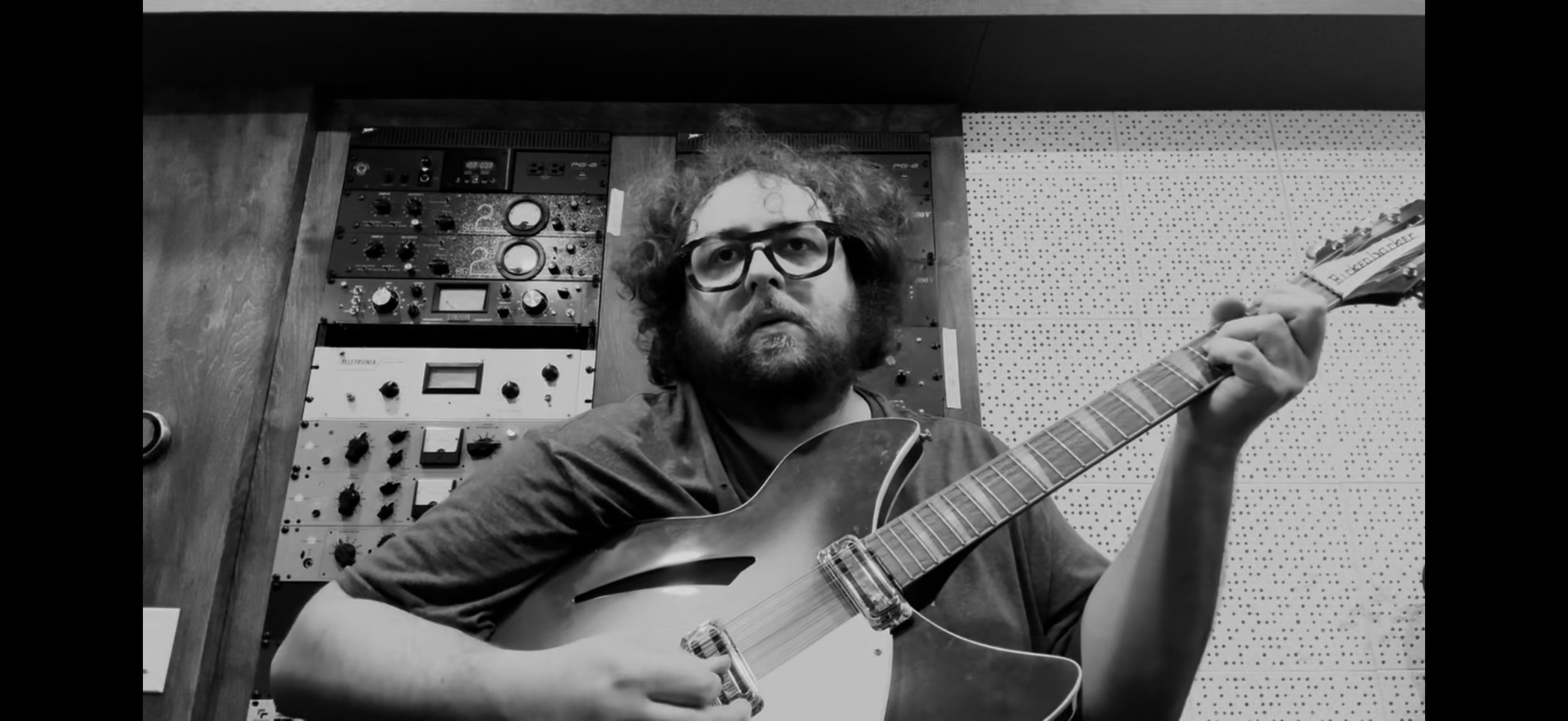
Clay recording guitar on some hits.
When you come up through recording school, you are correctly taught to record flat. No EQ. No compression. Clean signal flow, dot every i, cross every t. It is the right place to start. It is the foundation. I would teach the same thing to anyone who had never sat behind a console.
But here is what nobody tells you in that classroom: recording flat and thinking flat are two very different things. And a lot of engineers who came up that way — good technicians, careful people — produce relatively boring recordings because of it. Not from lack of skill. From lack of intention.
The moment that separates a session from a record is playback. When the artist walks back through that door from the live room, something has to happen. They need to hear themselves and feel something. A smile. A nod. That involuntary lean toward the speakers. You are not just capturing audio — you are managing creative momentum, and that momentum is fragile.
"It better sound damn good. That pressure is on the engineer. Rightfully so."
Always Be Mixing
My philosophy is simple: always be mixing. From the first take to the last one of the day, I am making decisions. I am listening, adjusting, reacting. If a channel EQ needs a small change for the next take, I make it. If a compressor needs to breathe a little differently because we switched from a verse to a chorus run-through, I adjust it. If there is a mic in the room that is not contributing anything useful — and you know the feeling when you hear it — I cut it.
Sometimes I will stop and say: I want to try something different. I believe it will be worth it. That is not a popular thing to say mid-session, but I have never regretted it. The tracks that get easier to mix later are the ones where somebody cared about the sound before the session was over.
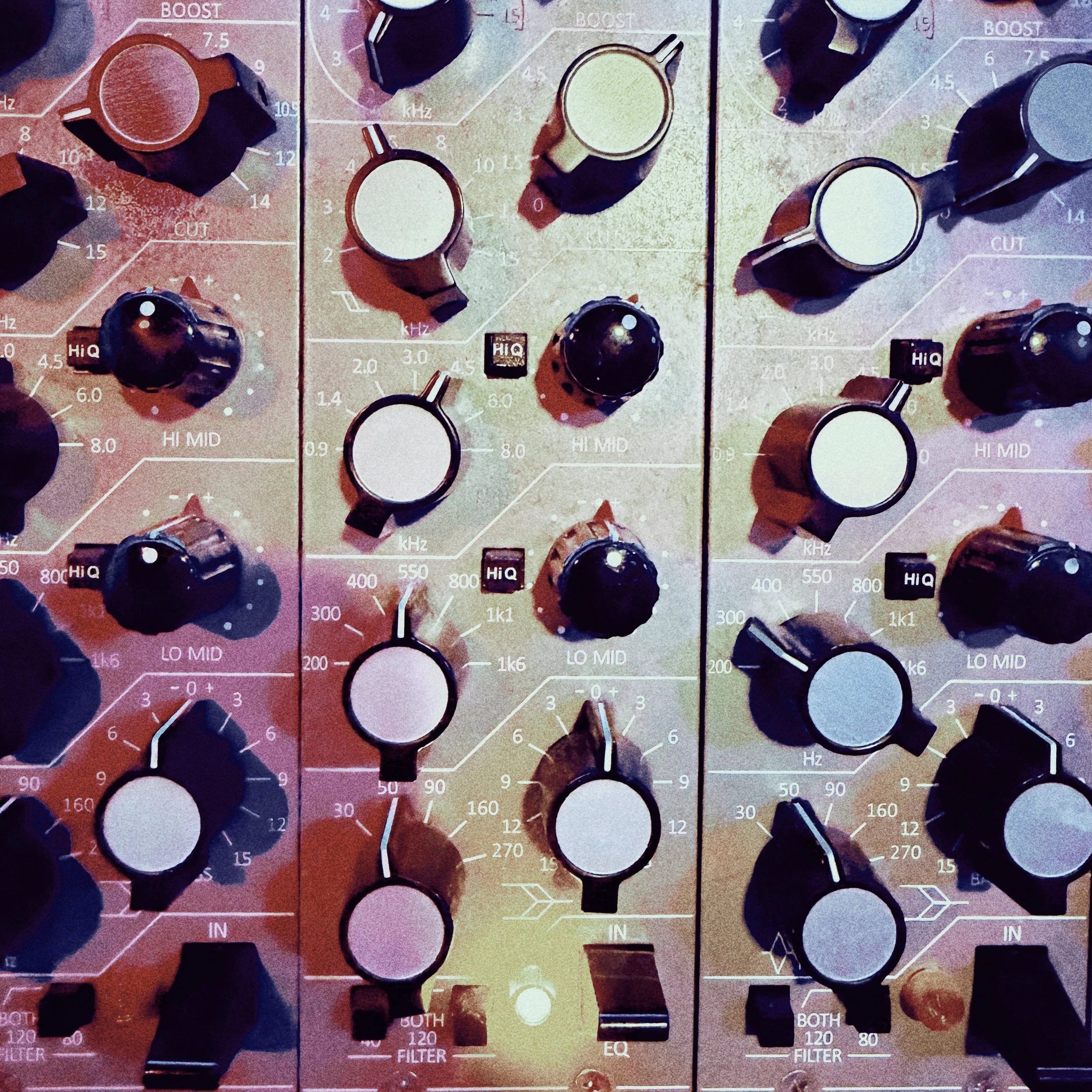
Every adjustment during tracking is an investment in the mix you'll be living with later.
The Rough Mix You'll Come Back To
Early in my career — before I had my own room — I learned this the hard way. If I made a rough mix at the end of a session and had to leave it for a few days before I could get back into the studio, that rough mix had better hold up. I could not just drive back in and fix it whenever I felt like it. So it had to count.
That constraint taught me something I still believe: the rough mix you make at the end of a tracking day is one of the most important creative documents in the entire project. It captured the room when the energy was right. It captured your instincts before you had listened to the song a thousand times. Before you started second-guessing things that were never broken.
Al Schmitt wrote about this in his book. He had a long-standing frustration with Neil Young over On the Beach. What got released were essentially the board roughs from the sessions — after overdubs, but never formally mixed. Al wanted to mix that record. He was still saying, forty years later, that he would happily do it. But here is the thing: On the Beach is a stunning record. Those roughs captured something. Maybe that is exactly the point.
I am not saying to take the first rough mix as a diamond in the rough. But know where things were. Know what happened on that day. Go back and listen before you mix — not to your most recent work mix, but to the first one. That is where the spark was.
The most recent work mix is where you have been living. It reflects everything you have heard and every decision you made after the initial excitement wore off. The first rough is the record at its most honest. Use that as a compass.
The Master Bus Is Not Just for Mixing
This is the one that surprises people when I bring it up. When I am printing rough mixes at the end of a tracking session, I am running them through my full mix bus — the same chain I use when I am actually mixing. Same compressors, same color, same direction.
Not because I am trying to fake a finished mix. Because the mix bus does a lot with a little, and it points the session toward where it is going. The artist drives home, puts it on in the car, and it sounds like a record. Not a demo. Not a work tape. A record in progress.

One option I use for a mix bus. Compression first — P19 Igloo by Pulse Modular, harmonic/tape ATR102 UAD, hardware vintage console emulation P455 MDN by Pulse Modular, harmonic and perceived loudness — The God Particle.
Do Not Phone It In
The worst thing you can do at the end of a long tracking day is leave a rough mix that you are not proud of because you are tired and the session is not getting reopened for two weeks anyway. That rough mix will be listened to. It will be shared. Someone will hear it in their car and form an opinion about the song based on what you half-heartedly put together at midnight.
Take the time. Rebalance it. Fix the thing that is bothering you. Even if it takes another twenty minutes after everyone has gone home. Your mix bus will do a lot of the heavy lifting, but you have to give it something to work with.
The Pressure Is the Point
When the artist walks into the control room for playback, it better sound damn good — and that pressure is on the engineer. But that pressure is not a burden. It is the thing that keeps the work honest.
If you know that every playback has to hold up, you will never stop listening. You will never tune out. You will make the small decisions throughout a session that keep things moving in the right direction instead of saving them all for the mix, where fixing things costs ten times as much in time and energy.
Record flat if you need to. But never think flat. Never stop mixing. The session that sounds great at every playback almost always makes a great record.
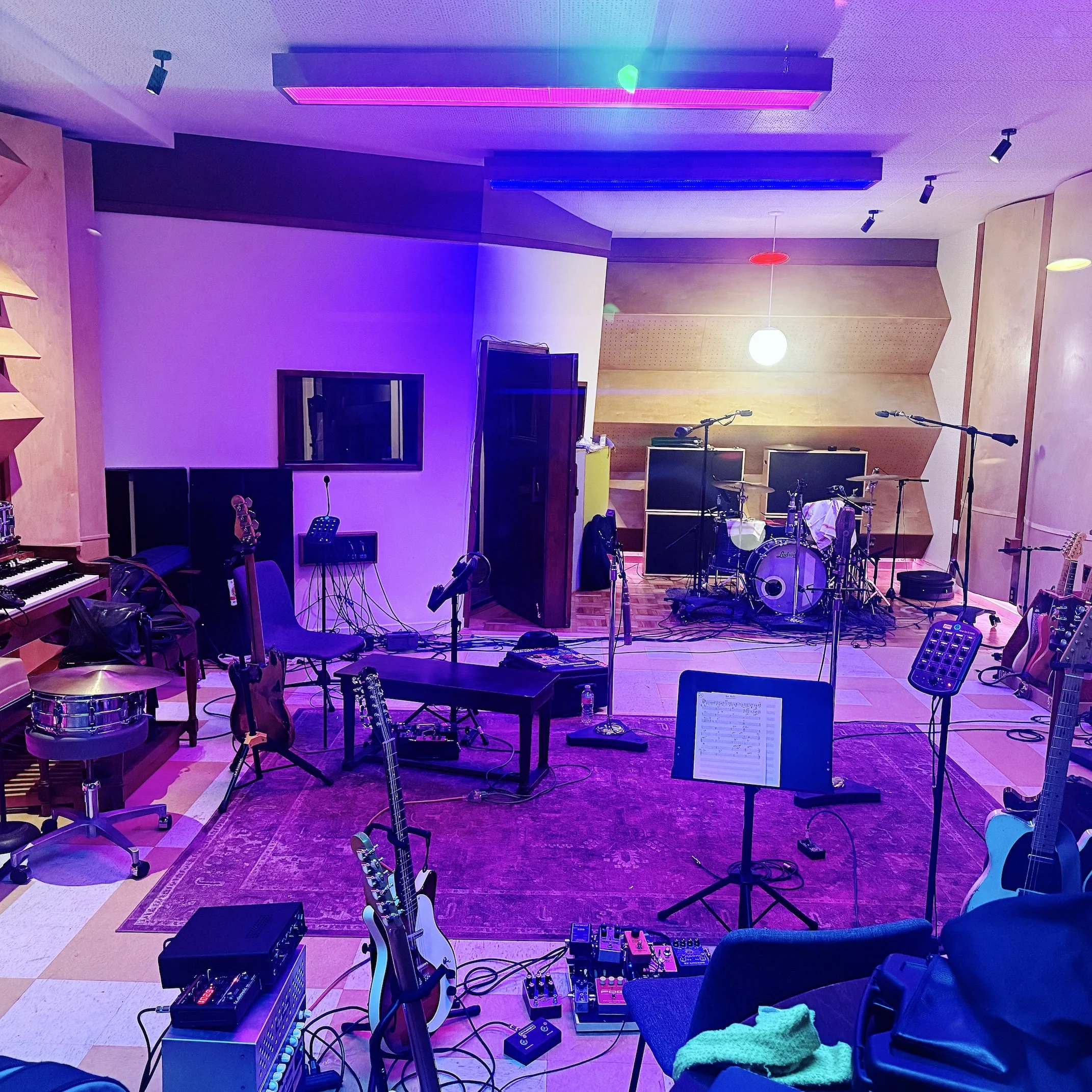
Boulevard Recording, Hollywood. When the room feels right, the record sounds right.
Ready to make a record that holds up?
Clay Blair has been producing, engineering, and mixing out of Boulevard Recording since 2010. Grammy-winning. One room. One client at a time.
Call: 323-337-6911
Email: jaymes@boulevardrecording.com
Visit: 6035 Hollywood Blvd, Hollywood
One room. One client at a time. One focus: your music.